


NATO Defence Ministers' meeting featured Allied solidarity
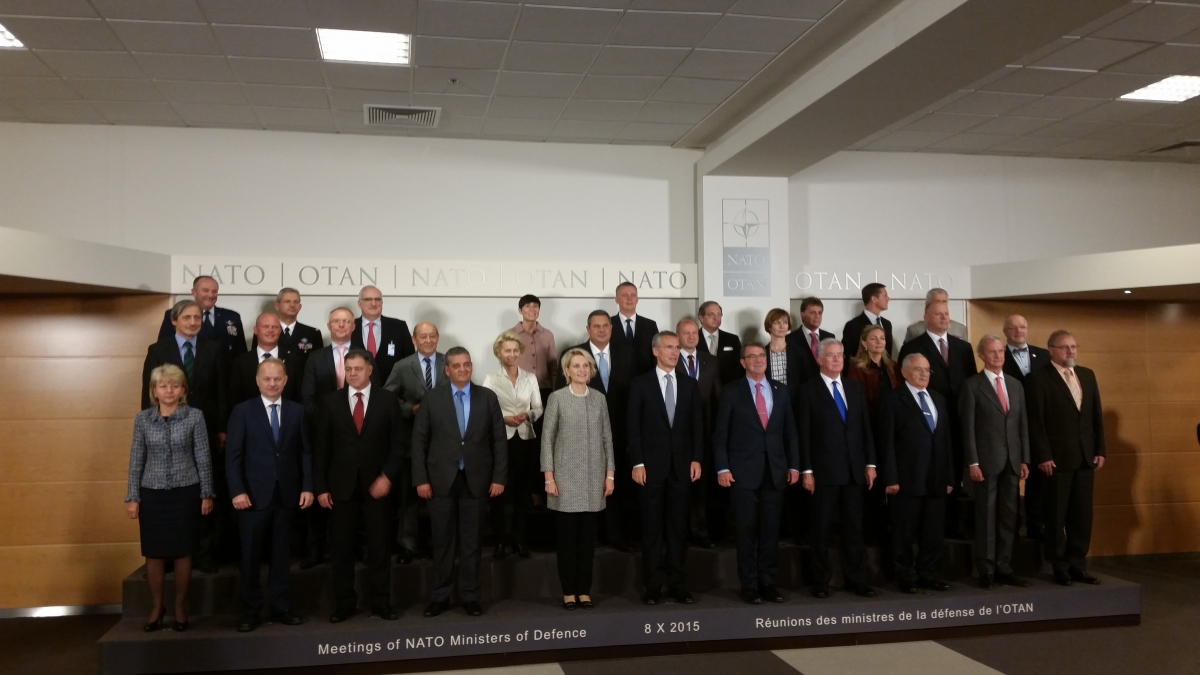
On October 8 at the NATO Defence Ministerial meeting in Brussel British Defence Secretary Michael Fallon announced that the United Kingdom would join the US-German Transatlantic Capability Enhancement and Training (TACET) initiative by rotating military units into the Baltic states. It has been announced that the rotating military units will be stationed in the Baltics for an indefinite period of time.
„The decision of the United Kingdom to deploy military personnel to the Baltic states is highly welcome. This decision demonstrates a realistic Britain’s assessment of the security situation in the region and the strength of NATO allies’ commitment,” Minister of National Defence Juozas Olekas said commenting on the announcement by the Secretary of State of Defence of the United Kingdom.
Minister Juozas Olekas also underscored the need to agree further NATO assurance measures, including the enhanced Air Policing Mission in the Baltic States, at the upcoming NATO Summit in Warsaw.
“Present-day security challenges demonstrate that the Alliance is encircled by threats and conflicts from North-Eastern to Southern Europe. The reasons behind this destabilisation can be traced back to Russia in one way or another. That is why NATO has to take an adequate view and take the changed situation seriously. We have to agree on long-term sustained and persistent NATO deterrence measures,” Minister J.Olekas said.
NATO Defence Ministers also discussed the proposal to slow down the withdrawal of Allied forces from Afghanistan, while specific decisions concerning the future of the NATO operation in Afghanistan will be taken in the end of the year.
While in Brussels, Defence Ministers of Lithuania, Estonia and Latvia signed an agreement on sharing costs of the Host Nation Support (HNS) for the NATO Air Policing Mission in the Baltic states in a trilateral session.
